


Human tumor tissue is a critical biospecimen for oncology research, providing direct access to the cellular, molecular, and histological characteristics of human cancers. Patient-derived tumor specimens can support research into tumor biology, disease progression, molecular heterogeneity, biomarker discovery, therapeutic response, and the development of new diagnostic and therapeutic approaches.
Cell Bio provides human tumor tissue samples for research and supports custom tumor tissue procurement for biotechnology companies, pharmaceutical organizations, CROs, diagnostic developers, and academic research institutions.
Human tumor tissue can be sourced according to project-specific requirements, including cancer type, anatomical site, histology, disease stage, primary or metastatic status, tissue preservation method, sample quantity, and associated clinical information.
Depending on study requirements and availability, projects may involve fresh tumor tissue, frozen or flash-frozen tumor tissue, FFPE tumor tissue, primary and metastatic tumors, patient-matched normal tissue, adjacent non-tumor tissue, and other oncology biospecimens.
For projects requiring specific patient populations or collection protocols, Cell Bio can support custom and prospective human tumor tissue collection through its clinical collection network.
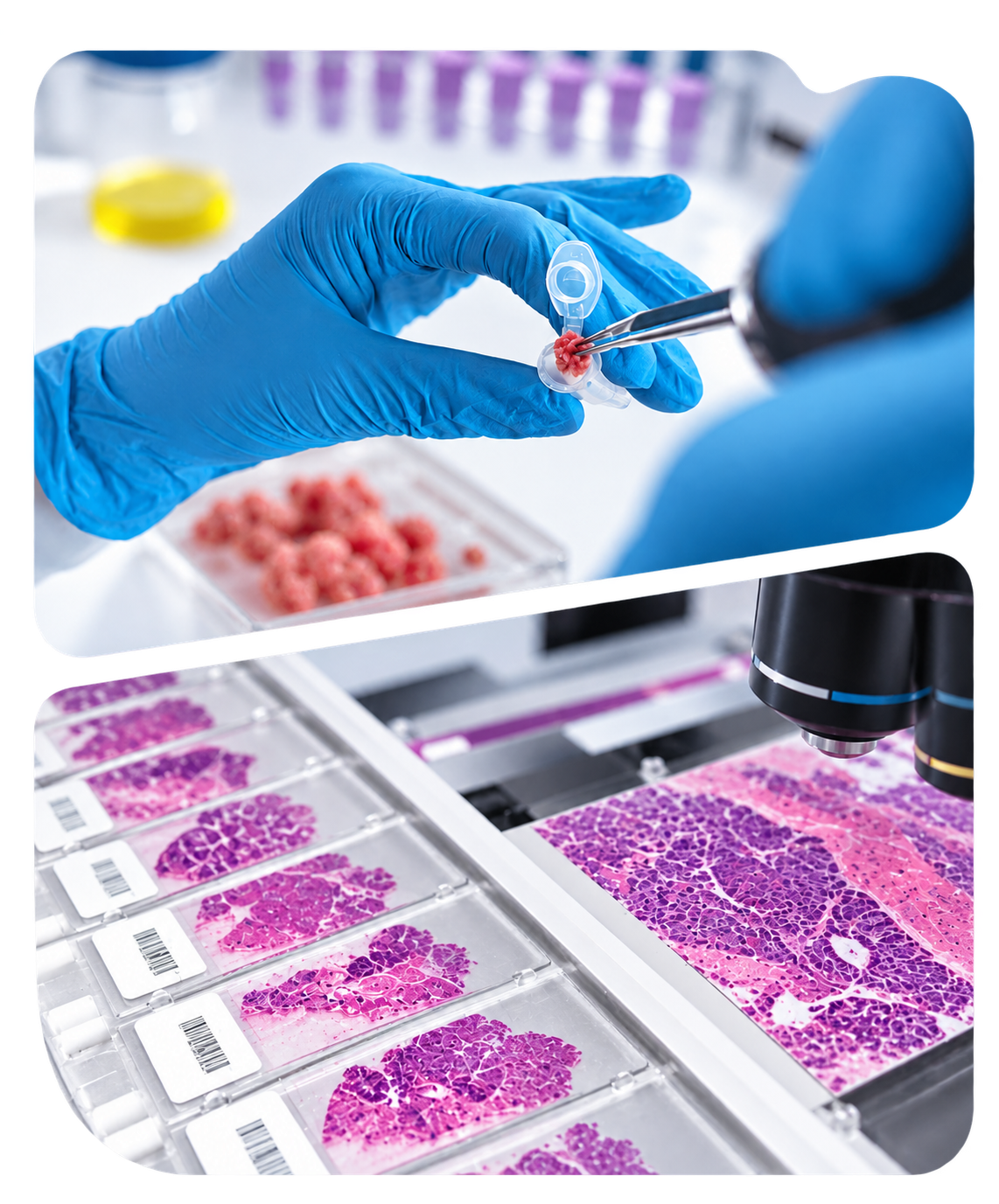
Human Tumor Tissue Samples for Research
Human tumors are biologically complex and heterogeneous. Molecular and cellular characteristics can differ substantially between cancer types, patients, disease stages, primary tumors, and metastatic lesions.
Access to well-characterized human tumor tissue for research allows investigators to study these differences directly in clinically relevant human specimens.
Tumor tissue samples can support a broad range of research applications, including histology, immunohistochemistry, biomarker analysis, genomics, transcriptomics, proteomics, molecular profiling, sequencing, drug discovery, and translational oncology.
The appropriate tissue format depends on the intended downstream application. Fresh tumor tissue may be required for studies involving viable cells, tissue dissociation, or functional models, while frozen tissue can support many molecular applications. FFPE tissue is widely used for histological and molecular research where preserved tissue architecture and archival material are important.
Cell Bio supports researchers in defining the appropriate human tumor tissue samples based on the scientific objectives and technical requirements of each project.
Available Human Tumor Tissue Samples
Oncology research projects can require substantially different tumor specimens depending on cancer indication, experimental platform, and research objective.
Cell Bio supports the sourcing of human tumor tissue specimens according to project-specific criteria.
Depending on availability and study design, samples may include:
- patient-derived tumor tissue;
- surgically resected tumor tissue;
- fresh human tumor tissue;
- frozen and flash-frozen tumor tissue;
- FFPE tumor tissue;
- primary tumor tissue;
- metastatic tumor tissue;
- matched tumor and normal tissue;
- adjacent non-tumor tissue.
The combination of sample format, disease characteristics, processing requirements, and clinical annotation can be defined during project planning.
When suitable existing samples are not available, prospective collection may provide an alternative for projects requiring specific tumor types, patient populations, processing protocols, or associated clinical data.
Patient-Derived Tumor Tissue Samples
Patient-derived tumor tissue provides researchers with direct access to biological material originating from clinically characterized human cancers.
Unlike standardized laboratory models, patient-derived specimens retain molecular and histological characteristics associated with individual tumors and can therefore provide valuable material for studying inter-patient and intra-tumor heterogeneity.
Patient-derived tumor tissue samples can support research into cancer biology, disease progression, molecular pathways, biomarkers, tumor microenvironment, therapeutic targets, and treatment response.
Depending on the project and available clinical information, specimens may be characterized according to variables such as tumor type, anatomical location, histology, stage, grade, primary or metastatic status, and treatment history.
For studies requiring narrowly defined patient populations, Cell Bio can support prospective tumor tissue procurement based on protocol-specific inclusion and exclusion criteria.
This enables researchers to align tissue sourcing more closely with the biological questions being investigated.
Surgically Resected Tumor Tissue
Surgical procedures can provide an important source of clinically relevant tumor tissue for research when residual material is available for research use under the applicable ethical and consent framework.
Surgically resected tumor tissue may support studies requiring fresh, frozen, or fixed material, depending on the collection protocol and downstream application.
For prospective projects, requirements can be defined before collection. These may include the tumor indication, anatomical site, minimum sample size, processing method, preservation format, collection-to-processing interval, and associated clinical information.
Where clinically and ethically feasible, research protocols may also request associated non-tumor tissue or other biospecimens.
Careful coordination between clinical collection and laboratory processing is particularly important for studies requiring fresh tumor tissue or tightly controlled pre-analytical conditions.
Cell Bio supports project-specific collection strategies designed to align tissue procurement with the intended research workflow.
Fresh Human Tumor Tissue
Fresh human tumor tissue can be particularly valuable for research applications that depend on viable cells, preserved cellular interactions, or rapid downstream processing.
Fresh tumor tissue may support tissue dissociation, isolation of tumor-derived cell populations, tumor microenvironment research, primary cell culture, explant models, functional assays, and other experimental workflows.
Because tissue viability and cellular composition can change after surgical removal, collection and transportation conditions are important considerations in fresh tissue research.
For prospective projects, requirements may include collection-to-processing time, transport conditions, sample dimensions, tissue medium, temperature requirements, and delivery schedule.
Cell Bio can work with research teams to define these parameters before collection begins.
Fresh tumor tissue projects can also be coordinated with downstream requirements involving viable tumor-derived populations or explant-based research models where appropriate.
Frozen & Flash-Frozen Human Tumor Tissue
Frozen human tumor tissue is widely used in molecular and biomarker research and can provide a practical format for projects requiring storage, shipment, cohort-based analysis, or centralized laboratory testing.
Depending on the collection protocol, tumor specimens may be provided as frozen or flash-frozen tumor tissue.
Frozen tumor samples can support applications involving DNA, RNA, proteins, and other molecular analytes.
Potential research applications include:
- genomic analysis;
- DNA sequencing;
- RNA analysis;
- transcriptomics;
- gene-expression studies;
- proteomics;
- biomarker discovery;
- molecular profiling.
Pre-analytical factors remain important when working with frozen tumor tissue. Collection conditions, processing intervals, freezing method, storage history, and tissue composition may affect downstream analyses.
For prospective tumor tissue collection, relevant processing and preservation requirements can be defined as part of the project protocol.
This enables researchers to request fresh frozen tumor tissue samples or other frozen formats aligned with their analytical requirements.
FFPE Tumor Tissue Samples
FFPE tumor tissue—formalin-fixed, paraffin-embedded tumor tissue—is an important format for histological, pathological, biomarker, and molecular research.
Formalin fixation preserves tissue morphology, while paraffin embedding enables tissue storage, sectioning, histological evaluation, and a range of downstream analytical applications.
Cell Bio can support projects requiring human FFPE tumor tissue samples according to cancer type and other available sample characteristics.
FFPE cancer tissue may be used for:
- histological analysis;
- immunohistochemistry;
- biomarker evaluation;
- molecular profiling;
- selected DNA-based assays;
- selected RNA-based assays;
- retrospective oncology research.
The suitability of individual FFPE specimens for specific molecular workflows depends on factors such as fixation conditions, tissue age, tumor content, sample quality, and analytical method.
For this reason, project requirements should be defined according to the intended downstream application rather than treating all FFPE material as analytically equivalent.
FFPE tumor specimens can also provide access to archived clinical material and larger retrospective cohorts where available.
Primary Tumor Tissue Samples
Primary tumor tissue originates from the anatomical site where a malignancy initially developed.
Primary human tumor tissue can support research into early tumor biology, oncogenic pathways, tumor architecture, biomarker expression, molecular heterogeneity, and interactions between malignant cells and the surrounding microenvironment.
Researchers may use primary tumor samples for genomic, transcriptomic, proteomic, histological, and biomarker studies.
Depending on project requirements, primary cancer tissue may be requested according to tumor type, anatomical site, histology, stage, grade, treatment status, or other clinical characteristics.
For studies investigating disease progression, primary tumor tissue can also be compared with metastatic tumor specimens.
Metastatic Tumor Tissue Samples
Metastatic tumor tissue provides researchers with an opportunity to investigate cancer biology after malignant cells have spread beyond the primary tumor site.
Metastatic tumor samples may be used to study mechanisms of dissemination, metastatic progression, clonal evolution, therapeutic resistance, molecular adaptation, and differences between primary and metastatic disease.
Research applications can include molecular profiling, biomarker analysis, sequencing, histology, immunohistochemistry, proteomics, and translational oncology.
Where appropriate specimens are available, studies may compare primary and metastatic tumor tissue according to cancer type and metastatic site.
For projects requiring specific metastatic indications or patient characteristics, prospective tumor tissue collection may be considered according to clinical and ethical feasibility.
Primary & Metastatic Tumor Tissue Research
Comparative analysis of primary and metastatic tumor tissue can provide important insights into how tumors evolve during disease progression.
Molecular alterations present in metastatic lesions may differ from those observed in the primary tumor. These differences can be relevant to biomarker development, therapeutic-response research, mechanisms of resistance, and identification of potential treatment targets.
Studies may investigate differences in gene expression, genomic alterations, protein profiles, immune composition, or other molecular characteristics.
When patient-matched primary and metastatic specimens are required, availability may be more limited and should be evaluated according to the specific study criteria.
Prospective collection strategies can also be discussed for projects where matched or longitudinal tumor specimens are scientifically important and clinically feasible.
Matched Tumor & Normal Tissue Samples
Matched tumor and normal tissue samples are particularly valuable for comparative oncology research.
By comparing malignant tissue with non-malignant material from the same patient, researchers can investigate tumor-associated molecular changes while reducing some of the biological variability that occurs between unrelated donors.
Matched tumor-normal samples may support:
- genomic comparison;
- somatic variant research;
- gene-expression analysis;
- epigenetic studies;
- biomarker discovery;
- proteomic research;
- molecular profiling;
- validation of tumor-associated targets.
Cell Bio can support projects requiring tumor matched normal tissues depending on the cancer indication, collection design, and sample availability.
For prospective projects, requirements for matched samples should be defined before collection begins.
Tumor & Adjacent Normal Tissue
Adjacent normal tissue is tissue collected near the tumor that is considered non-tumorous according to the applicable collection or pathological assessment criteria.
It can provide a useful comparator in many oncology studies, but adjacent normal tissue and patient-matched normal tissue should not automatically be treated as identical concepts.
Tissue adjacent to a tumor may be influenced by local biological changes associated with the tumor microenvironment, inflammation, field effects, or other disease-related processes.
The most appropriate control tissue therefore depends on the scientific question.
Cell Bio can support projects requiring tumor and adjacent normal tissue or other matched non-tumor specimens according to study-specific requirements and availability.
For comparative research, the type and origin of the control specimen should be clearly defined during project planning.
Human Tumor Tissue Procurement & Sourcing
Reliable oncology research requires more than access to tumor material. The scientific value of a specimen depends on whether its clinical characteristics, preservation format, processing history, and associated data are appropriate for the intended study.
Cell Bio provides human tumor tissue procurement and sourcing services for research projects requiring defined oncology biospecimens.
Project specifications may include:
- cancer type and indication;
- primary or metastatic disease;
- anatomical site;
- histological characteristics;
- disease stage or grade where required and available;
- treatment status;
- fresh, frozen, flash-frozen, or FFPE format;
- tumor and matched normal specimens;
- minimum tissue quantity;
- processing requirements;
- associated clinical data.
Existing samples can be evaluated against project requirements, while prospective collection can be considered when suitable material is not available.
This project-specific approach allows human tumor tissue sourcing to be aligned with the scientific objectives of biomarker, molecular, translational, and drug-development programs.
Human Tumor Tissue Collection
Cell Bio supports human tumor tissue collection through clinical partnerships and project-specific procurement programs.
Tumor tissue collection is planned around both clinical feasibility and research requirements. For prospective studies, relevant collection parameters can be established before donor recruitment and specimen acquisition.
Depending on the project, these may include patient eligibility criteria, cancer indication, anatomical site, collection procedure, tissue format, processing requirements, sample quantity, associated biospecimens, and clinical-data requirements.
All human biospecimen collection must be conducted within the applicable ethical framework, including appropriate informed consent and clinical procedures.
The objective is to provide researchers with clinically relevant tumor specimens while maintaining controlled collection, documentation, and traceability.
Custom & Prospective Tumor Tissue Collection
Standard biobank inventories may not contain the exact combination of tumor type, patient characteristics, tissue format, and clinical annotation required for a particular research program.
For these projects, Cell Bio can support custom tumor tissue collection and prospective human tumor tissue collection based on predefined study criteria.
A prospective project may specify cancer indication, histology, disease characteristics, treatment status, primary or metastatic site, tissue preservation method, processing protocol, minimum sample quantity, matched specimens, and required clinical information.
Collection requirements can therefore be designed around the downstream research application rather than adapting the study to whatever material happens to be available.
Prospective tumor tissue procurement can be particularly valuable for translational oncology, biomarker validation, drug discovery, molecular profiling, and studies requiring narrowly defined patient cohorts.
Tumor Tissue Processing & Quality Control
The scientific value of human tumor tissue depends not only on the diagnosis and donor characteristics but also on how the specimen is collected, processed, preserved, stored, and documented.
Pre-analytical variables can influence tissue morphology, nucleic acid quality, protein integrity, cellular viability, and the reliability of downstream molecular analyses. For this reason, Cell Bio emphasizes controlled procedures throughout tumor tissue collection, processing, and procurement.
Depending on the project, relevant parameters can include the interval between surgical removal and processing, tissue dimensions, preservation method, freezing conditions, fixation protocol, storage conditions, transportation requirements, and downstream analytical objectives.
For prospective collection projects, these requirements can be incorporated into a project-specific protocol before tissue acquisition begins.
This approach is particularly important for studies requiring fresh tumor tissue, flash-frozen samples, FFPE material, or matched tumor and normal specimens.
Tumor Tissue Processing
Tumor tissue processing can vary considerably according to the intended research application.
Fresh specimens may require rapid transportation and processing when tissue viability is important. Frozen samples require controlled preservation and storage conditions appropriate for downstream molecular research. FFPE specimens require fixation and embedding procedures suitable for histological and molecular applications.
Where project requirements include additional processing, specifications should be defined before collection whenever possible.
Cell Bio can coordinate sample requirements with the collection strategy to help researchers obtain tumor specimens in a format appropriate for their experimental workflow.
Tumor Tissue Dissociation
Tumor tissue dissociation is relevant to research programs requiring viable cells or cellular populations derived from solid tumors.
Fresh tumor specimens may be processed to generate tumor-derived cell suspensions for downstream research applications. Depending on the study, these may support investigations involving dissociated tumor cells, tumor-infiltrating lymphocytes, primary tumor-derived cells, and other components of the tumor microenvironment.
Because viability and cellular composition are affected by collection and processing conditions, projects involving tumor dissociation should define relevant requirements before tissue acquisition.
For appropriate projects, tumor tissue sourcing can therefore be coordinated with downstream cell-isolation or viable-cell research requirements.
Clinical Data & Tumor Characterization
Clinical and pathological annotation can substantially increase the research value of human tumor tissue specimens.
Depending on the sample, collection protocol, and project requirements, associated information may include donor demographics, cancer diagnosis, anatomical site, histological type, disease stage, tumor grade, primary or metastatic status, treatment information, collection procedure, and tissue-processing details.
Not every data field is available for every specimen. For prospective projects, however, required clinical and pathological parameters can be defined before donor recruitment and tissue collection begin.
This enables researchers to build cohorts according to characteristics relevant to the scientific objective.
Clinical annotation can be particularly valuable for biomarker discovery, molecular profiling, patient stratification, treatment-response research, and translational oncology.
Tumor Histology & Pathological Characterization
Histological information can help researchers confirm that tumor specimens correspond to the disease characteristics required for a study.
Depending on the project and available documentation, tumor tissue may be characterized according to histological diagnosis, tumor type, grade, anatomical location, and other pathological parameters.
For studies requiring a specific tumor content or tissue composition, requirements should be discussed during project planning.
The appropriate level of characterization depends on the research objective, tissue format, and availability of pathological information.
Tumor Tissue for Molecular Analysis
Human tumor tissue provides a direct source of tumor-associated DNA, RNA, proteins, and other molecular components.
For this reason, tumor tissue molecular analysis is central to many areas of modern oncology research.
Fresh, frozen, and FFPE tumor specimens may support different molecular workflows depending on specimen quality, preservation method, and analytical platform.
Cell Bio can provide tumor tissue for research applications involving genomic analysis, gene-expression studies, sequencing, biomarker research, transcriptomics, proteomics, and other forms of molecular profiling.
The appropriate tissue format should be selected according to the requirements of the downstream assay.
Tumor Tissue Biomarker Research
Tumor tissue biomarkers can provide information about disease biology, tumor classification, prognosis, molecular pathways, and potential therapeutic response.
Human tumor tissue samples can support both exploratory biomarker discovery and subsequent validation in clinically characterized patient cohorts.
Studies may investigate proteins, nucleic acids, gene-expression patterns, molecular alterations, immune markers, or other tumor-associated characteristics.
Matched tumor and normal tissue can be particularly useful for identifying molecular differences associated with malignant transformation.
Disease-specific cohorts can also support evaluation of biomarker prevalence and variability across patient populations.
For biomarker programs requiring tightly defined clinical characteristics, prospective tumor tissue collection can be designed around project-specific eligibility criteria.
Tumor Tissue Genomics & Sequencing
Genomic analysis of tumor tissue enables researchers to investigate molecular alterations associated with cancer development and progression.
Tumor tissue DNA can support studies involving somatic variants, genomic alterations, DNA methylation, and other cancer-associated molecular features.
Frozen tumor tissue is frequently relevant to genomic research, while appropriately characterized FFPE material may also support selected DNA-based workflows.
Potential applications include:
- tumor genomic profiling;
- DNA sequencing;
- mutation research;
- comparative tumor-normal analysis;
- molecular classification;
- DNA methylation research;
- biomarker discovery.
Matched tumor-normal samples can be especially useful when researchers need to distinguish tumor-associated genomic changes from patient-specific germline variation.
Cell Bio supplies the biospecimens for these research applications; suitability for a specific sequencing or genomic workflow should be evaluated according to sample format, quality, and analytical requirements.
Tumor Tissue Transcriptomics & RNA Research
Tumor tissue RNA provides an important resource for investigating gene expression and transcriptional changes associated with cancer.
Transcriptomic studies can help characterize molecular pathways, tumor subtypes, immune responses, disease progression, and potential therapeutic targets.
Depending on sample preservation and quality, human tumor tissue may support gene-expression analysis, targeted RNA assays, RNA sequencing, and broader transcriptomic research.
Frozen tumor tissue can be particularly relevant where preservation of molecular material is a priority. Selected FFPE samples may also support RNA-based workflows depending on fixation history, tissue quality, and analytical methodology.
Comparative analysis of tumor and normal tissue can help identify tumor-associated expression patterns, while primary and metastatic specimens can support research into transcriptional changes during disease progression.
Tumor Tissue Proteomics
Tumor tissue proteomics enables researchers to investigate proteins and protein networks directly within cancer specimens.
Proteomic research can provide complementary information to genomic and transcriptomic studies because changes at the DNA or RNA level do not always correspond directly to protein abundance or activity.
Human tumor tissue may support protein extraction, protein profiling, biomarker discovery, pathway analysis, and other proteomic research applications.
The appropriate specimen format depends on the analytical platform and study design.
Tumor and matched normal tissue can support comparative protein analysis, while disease-specific cohorts can help researchers investigate variation in tumor-associated protein signatures across patient populations.
Tumor Tissue Histology & Immunohistochemistry
Preserved tissue architecture makes tumor specimens valuable for histological and spatially resolved research.
Tumor tissue histology can provide information about tissue morphology, cellular organization, tumor composition, and relationships between malignant and non-malignant components.
Tumor tissue immunohistochemistry (IHC) can be used to investigate the localization and expression of specific proteins within tissue sections.
FFPE tumor tissue is particularly relevant to histology and immunohistochemistry because formalin fixation and paraffin embedding preserve tissue architecture and enable sectioning.
Potential research applications include biomarker evaluation, protein-expression studies, tumor classification, immune-marker research, and validation of molecular findings within tissue context.
Human Tumor Tissue Samples for Research Applications
Human tumor tissue is used across oncology research because it provides direct access to the biological characteristics of human cancers.
Cell Bio supplies tumor tissue samples for research and supports project-specific procurement for pharmaceutical, biotechnology, diagnostic, CRO, and academic research programs.
Depending on the scientific objective, specimens can support oncology research, biomarker discovery, drug development, translational studies, and preclinical research.
Oncology & Cancer Research
Human tumor tissue for cancer research enables investigators to study disease biology directly in patient-derived material.
Research applications can include tumor heterogeneity, molecular pathways, disease progression, metastatic biology, tumor microenvironment, immune interactions, and therapeutic resistance.
Primary, metastatic, matched normal, fresh, frozen, and FFPE tumor specimens can address different experimental questions.
The ability to select samples according to cancer indication and clinical characteristics can help researchers develop cohorts aligned with specific oncology research objectives.
Biomarker Discovery
Tumor tissue samples for biomarker discovery can support identification and validation of molecular features associated with diagnosis, prognosis, disease subtype, therapeutic response, or other clinically relevant characteristics.
Biomarker studies may involve DNA, RNA, proteins, histological markers, immune markers, or integrated molecular datasets.
Matched tumor-normal samples can support discovery of tumor-associated differences, while larger disease-specific cohorts may be useful for subsequent validation.
Prospective procurement can provide additional control over patient selection, tissue processing, and clinical annotation.
Drug Discovery
Tumor tissue samples for drug discovery provide clinically relevant material for investigating therapeutic targets, disease pathways, biomarkers, and biological mechanisms associated with human cancers.
Patient-derived tumor specimens can help bridge the gap between experimental cancer models and the molecular complexity observed in clinical disease.
Potential applications include target research, biomarker development, molecular stratification, therapeutic-response studies, and validation of drug-development hypotheses.
For programs focused on particular cancer populations, custom tumor tissue procurement can be designed around disease indication, molecular characteristics, treatment history, or other project-specific criteria.
Translational Research
Tumor tissue samples for translational research can help connect laboratory findings with clinically characterized human cancers.
Researchers can use human tumor specimens to evaluate whether molecular observations identified in experimental systems are also present in patient-derived tissue.
Translational applications may include biomarker validation, molecular classification, patient stratification, tumor microenvironment research, and investigation of treatment-associated biological changes.
Access to clinical annotation and appropriate tissue formats can be especially important for these studies.
Preclinical Research
Tumor tissue for preclinical research can support experimental workflows involved in therapeutic and diagnostic development.
Depending on the project, tumor tissue may be used for molecular analysis, assay development, biomarker studies, tissue dissociation, viable-cell research, or development of patient-derived experimental models.
Fresh tissue may be particularly relevant to workflows requiring viable biological material, while frozen and FFPE specimens can support molecular and histological applications.
Sample requirements should therefore be defined according to the intended experimental workflow.
Pharmaceutical Research
Tumor tissue for pharmaceutical research can support drug-discovery and development programs requiring clinically relevant oncology biospecimens.
Projects may require tumor tissue from specific cancer types, disease stages, treatment-defined populations, or molecular subgroups.
Custom and prospective procurement can help address these requirements by establishing donor eligibility and tissue-processing criteria before collection.
This approach enables tumor tissue sourcing to become part of the overall research strategy rather than being limited to samples already present in an inventory.
Human Tumor Biospecimens for Oncology Research
Tumor tissue can form part of a broader oncology biospecimen strategy involving multiple sample types from clinically characterized patients.
Cell Bio supports human tumor biospecimens and other oncology research materials according to project-specific requirements.
Depending on study design and collection feasibility, tumor tissue may be combined with blood-derived specimens, plasma, serum, PBMC, viable tumor-derived cells, or other relevant biological materials.
Multi-biospecimen strategies can support integrated molecular research, biomarker development, immune-oncology studies, and translational programs.
For prospective projects, required sample combinations can be incorporated into the collection protocol where clinically and ethically feasible.
This can be particularly useful for studies seeking to compare tissue-associated molecular characteristics with circulating biomarkers or immune profiles.
Why Choose Cell Bio as Your Human Tumor Tissue Supplier?
Selecting a reliable human tumor tissue supplier requires more than access to available specimens. The scientific value of tumor tissue depends on donor and disease characterization, ethical procurement, collection conditions, preservation method, processing, documentation, and traceability.
Cell Bio supports oncology research programs through human biospecimen sourcing, clinical collection capabilities, standardized quality processes, and project-specific scientific support.
Whether a project requires fresh tumor tissue, frozen or flash-frozen specimens, FFPE tumor tissue, primary or metastatic tumors, or matched tumor and normal tissue, sourcing requirements can be defined according to the intended research application.
Oncology Biospecimen Expertise
Oncology research often requires highly specific patient populations and carefully characterized biological material.
Cell Bio supports human oncology biospecimen procurement for research projects involving solid tumors and other cancer-related materials.
Projects can be designed around cancer indication, anatomical site, primary or metastatic status, tissue format, processing requirements, and available clinical characteristics.
This experience also enables tumor tissue procurement to be integrated with broader oncology biospecimen strategies involving blood-derived specimens, viable tumor-derived cells, or other research materials where appropriate.
Quality Management
Cell Bio operates within an ISO 9001:2015-certified quality management system, supporting standardized processes across biospecimen sourcing and research projects.
Quality management is particularly important for multi-sample and prospective tumor tissue studies where consistency in collection, processing, documentation, and logistics can influence downstream research.
For custom collection projects, study-specific requirements can be incorporated into collection and processing workflows before procurement begins.
Ethical Human Biospecimen Procurement
Human tumor tissue used for research should be obtained within an appropriate ethical and regulatory framework.
Cell Bio supports ethically sourced human biospecimens with appropriate informed donor consent and research-use procedures.
Prospective tumor tissue collection is coordinated according to clinical feasibility, study requirements, and applicable ethical considerations.
This is particularly important for surgical tumor tissue because research collection must be integrated with clinical procedures without compromising patient care.
Clinical Collection Network
Access to clinical collection capabilities enables Cell Bio to support research projects requiring specimens beyond those available through existing inventories.
Through clinical partnerships, prospective tumor tissue collection can be considered for studies requiring particular cancer indications, disease characteristics, anatomical sites, treatment-defined populations, or tissue formats.
Clinical collection capabilities can also support associated biospecimens when these are included in the study protocol and are clinically and ethically feasible.
Custom Tumor Tissue Collection
Cell Bio supports custom human tumor tissue collection for projects requiring defined patient populations or sample specifications.
Before collection begins, researchers can establish project requirements such as cancer type, histology, primary or metastatic disease, treatment status, sample size, preservation format, processing conditions, matched tissue requirements, and clinical-data fields.
This approach is particularly valuable for studies where standard biobank material does not provide the required combination of biological and clinical characteristics.
Traceability & Documentation
Traceability is an important component of reliable human biospecimen research.
Depending on the project and specimen, documentation may include sample identifiers, collection information, preservation method, processing details, storage conditions, diagnosis, anatomical site, and available clinical or pathological annotations.
For prospective projects, documentation requirements can be defined during study planning.
This enables researchers to determine which sample characteristics are essential before procurement begins and helps maintain consistency across larger study cohorts.
Scientific & Project Support
Different oncology research applications can require substantially different tumor tissue formats.
A study involving viable cells may require rapidly processed fresh tumor tissue, while genomic or transcriptomic research may benefit from frozen material. Histology and immunohistochemistry commonly use FFPE specimens, and comparative molecular studies may require matched tumor and normal tissues.
Cell Bio can work with research teams to define appropriate sample specifications and develop a procurement strategy aligned with the intended downstream application.
Human Tumor Tissue Sourcing Services
Cell Bio provides human tumor tissue sourcing services for research organizations requiring clinically relevant oncology specimens.
Sourcing may involve identification of appropriate existing samples or development of a prospective collection strategy when the requested material is not available.
Project requirements can be defined according to factors such as cancer indication, anatomical location, primary or metastatic disease, preservation format, sample quantity, patient characteristics, and associated clinical information.
For complex research programs, sourcing can also incorporate multiple tissue formats or related biospecimens.
This flexible approach enables Cell Bio to support both focused research projects and larger oncology programs requiring carefully defined tumor cohorts.
Tumor Tissue Biobank Samples & Prospective Procurement
Existing tumor tissue biobank collections can provide an efficient source of research specimens when appropriate samples are available.
Archived or stored tumor specimens may be particularly useful for retrospective research, cohort development, biomarker studies, molecular profiling, and other projects that do not require newly collected tissue.
However, existing inventories may not always contain the required combination of cancer type, disease characteristics, tissue format, sample quantity, or clinical annotation.
In these cases, prospective tumor tissue procurement can provide greater control over sample specifications.
Researchers can define inclusion and exclusion criteria, required tissue format, processing requirements, associated biospecimens, and clinical-data fields before collection begins.
A combined strategy using existing specimens and prospective collection can therefore provide greater flexibility for complex oncology research programs.
Supporting Oncology Drug Development
Human tumor tissue can provide clinically relevant biological material throughout oncology drug discovery and development.
Patient-derived specimens enable researchers to investigate therapeutic targets, molecular pathways, tumor heterogeneity, potential biomarkers, and biological characteristics associated with different cancer populations.
Human tumor tissue for drug discovery may support target validation, biomarker development, molecular stratification, assay development, and translational research.
Fresh tumor tissue can provide material for viable-cell and functional research, while frozen and FFPE specimens can support molecular and histological analysis.
Disease-specific sourcing also enables research teams to focus on tumor indications relevant to a particular therapeutic program.
For studies requiring narrowly defined populations, prospective collection can be designed according to protocol-specific clinical and tissue requirements.
Frequently Asked Questions
What are human tumor tissue samples used for in research?
Human tumor tissue samples are used across oncology, cancer biology, biomarker research, molecular profiling, genomics, transcriptomics, proteomics, histology, immunohistochemistry, drug discovery, and translational research.
Different tissue formats support different applications. Fresh tissue may be appropriate for viable-cell and tissue-dissociation workflows, frozen tissue is widely used in molecular research, and FFPE tumor tissue is commonly used for histological and selected molecular applications.
Does Cell Bio supply human tumor tissue samples for research?
Yes. Cell Bio supplies human tumor tissue samples for research and supports custom tumor tissue sourcing and prospective procurement.
Projects can be defined according to cancer indication, tissue format, primary or metastatic status, sample quantity, processing requirements, and associated clinical information.
Specific availability depends on the requested specimen and study criteria.
What types of human tumor tissue samples are available?
Depending on project requirements and availability, Cell Bio can support patient-derived tumor tissue, surgically resected specimens, fresh tumor tissue, frozen or flash-frozen samples, FFPE tumor tissue, primary tumors, metastatic tumors, and matched or adjacent non-tumor tissue.
Custom collection can be considered when existing specimens do not meet project specifications.
Does Cell Bio supply fresh human tumor tissue?
Fresh human tumor tissue can be supported for appropriate research projects depending on the tumor indication, clinical collection opportunity, logistics, and project requirements.
Fresh specimens may be particularly relevant for tissue dissociation, viable-cell research, primary cultures, tumor microenvironment studies, and explant-based research.
Because fresh tissue is time-sensitive, collection, processing, transportation, and delivery requirements should be established before procurement.
Are frozen and flash-frozen tumor tissue samples available?
Cell Bio can support projects requiring frozen and flash-frozen tumor tissue samples, depending on the requested cancer indication and specimen availability.
Frozen tumor tissue can support molecular research involving DNA, RNA, proteins, biomarkers, genomics, transcriptomics, and proteomics.
The appropriate preservation method should be selected according to the intended downstream analysis.
Does Cell Bio provide FFPE tumor tissue samples?
Cell Bio can support research projects requiring human FFPE tumor tissue samples.
FFPE specimens are particularly relevant to histology, immunohistochemistry, biomarker studies, and selected molecular workflows.
Sample suitability for a specific DNA, RNA, sequencing, or molecular assay depends on factors such as fixation, specimen quality, tissue age, tumor content, and analytical methodology.
Can I request matched tumor and normal tissue?
Matched tumor and normal tissue can be particularly valuable for comparative molecular research.
Depending on the cancer indication, collection design, and sample availability, Cell Bio can support projects requiring matched tumor normal tissue samples.
For prospective projects, matched sample requirements should be specified before collection begins.
What is the difference between matched normal and adjacent normal tissue?
Matched normal tissue refers broadly to non-tumor tissue associated with the same patient, while adjacent normal tissue specifically refers to non-tumorous tissue collected near the tumor.
Adjacent tissue should not automatically be considered biologically equivalent to unaffected tissue from another location because the local tumor environment may influence surrounding tissue.
The most appropriate comparator depends on the scientific objective and should be defined during study design.
Are primary and metastatic tumor tissue samples available?
Cell Bio can support projects requiring primary tumor tissue and metastatic tumor tissue, subject to project criteria and availability.
These specimens may support research into tumor progression, metastatic biology, molecular evolution, treatment resistance, biomarkers, and differences between primary and metastatic disease.
Patient-matched primary and metastatic samples may be more limited and should be discussed according to the specific project.
Does Cell Bio provide patient-derived tumor tissue?
Yes. Cell Bio supports research projects requiring patient-derived tumor tissue samples from clinically characterized cancer populations.
Depending on the specimen and collection program, samples may be associated with information such as diagnosis, anatomical site, histology, disease stage, primary or metastatic status, treatment information, and processing details.
Available data vary by sample and project.
Can tumor tissue be collected prospectively?
Yes. Cell Bio can support prospective human tumor tissue collection for projects requiring specific cancer indications, patient populations, tissue formats, or processing conditions.
Prospective projects can define donor eligibility, clinical characteristics, sample requirements, preservation methods, matched biospecimens, and associated data before collection begins.
Collection remains subject to clinical and ethical feasibility.
Does Cell Bio offer custom tumor tissue procurement?
Yes. Custom tumor tissue procurement can be designed around the requirements of individual oncology research programs.
Researchers can specify cancer type, anatomical site, histology, disease characteristics, primary or metastatic status, tissue format, sample quantity, processing conditions, and clinical-data requirements.
This approach can be useful when standard biobank samples do not satisfy study criteria.
Can tumor tissue samples be used for biomarker research?
Yes. Tumor tissue samples for biomarker research can support discovery and validation of molecular characteristics associated with cancer biology, diagnosis, prognosis, patient stratification, or therapeutic response.
Depending on the study, researchers may investigate DNA, RNA, proteins, histological markers, immune markers, or other molecular features.
Can tumor tissue be used for genomics, transcriptomics and proteomics?
Human tumor tissue can support genomic, transcriptomic, and proteomic research, provided that the specimen format and quality are appropriate for the intended analytical method.
Frozen tissue is commonly relevant to molecular workflows, while appropriately characterized FFPE tissue can support selected molecular analyses.
Sample requirements should be established according to the analytical platform and research objective.
What clinical data are available with tumor tissue samples?
Available clinical data depend on the individual specimen and collection program.
Depending on the project, information may include donor demographics, cancer diagnosis, anatomical site, histology, disease stage, grade, primary or metastatic status, treatment information, collection procedure, and tissue-processing details.
For prospective collections, required data fields can be defined before recruitment and specimen acquisition.
Where can researchers buy human tumor tissue samples?
Researchers looking to buy human tumor tissue samples should consider the scientific characteristics of the specimens in addition to availability.
Cell Bio provides human tumor tissue sourcing, procurement, and prospective collection services for research organizations. Project specifications can include cancer indication, tissue format, primary or metastatic status, matched tissue requirements, processing conditions, sample quantity, and associated clinical information.
Request Human Tumor Tissue Samples
Cell Bio supports pharmaceutical companies, biotechnology organizations, CROs, diagnostic developers, academic laboratories, and other research teams requiring human tumor tissue samples for research.
Projects can include fresh tumor tissue, frozen and flash-frozen specimens, FFPE tumor tissue, primary and metastatic tumors, matched tumor-normal specimens, patient-derived cancer tissue, and custom prospective collections.
Our team can work with your research requirements to define an appropriate tumor tissue sourcing and procurement strategy, including disease characteristics, tissue format, processing specifications, sample quantity, and clinical-data requirements.
Request Human Tumor Tissue Samples
Request a Quote
Discuss a Custom Tumor Tissue Collection
Contact Cell Bio