


Formalin-fixed, paraffin-embedded (FFPE) tissue is one of the most widely used human biospecimen formats for histological, biomarker, molecular, and translational research. FFPE processing preserves tissue morphology and enables long-term storage, making these specimens particularly valuable for retrospective studies, disease-specific cohort development, biomarker validation, and molecular analysis.
Cell Bio supplies human FFPE tissue samples for research and supports custom FFPE tissue procurement for pharmaceutical companies, biotechnology organizations, CROs, diagnostic developers, and academic research institutions.
Depending on project requirements and availability, human FFPE samples may include tumor and non-tumor tissue, patient-derived clinical specimens, archival material, matched tumor and normal tissue, and disease-specific samples. Material may be provided in different formats, including FFPE tissue blocks, sections, and unstained slides according to project specifications and availability.
Cell Bio can also support custom sourcing and prospective collection projects when existing FFPE biospecimens do not meet the required disease, tissue, patient, processing, or clinical-data criteria.
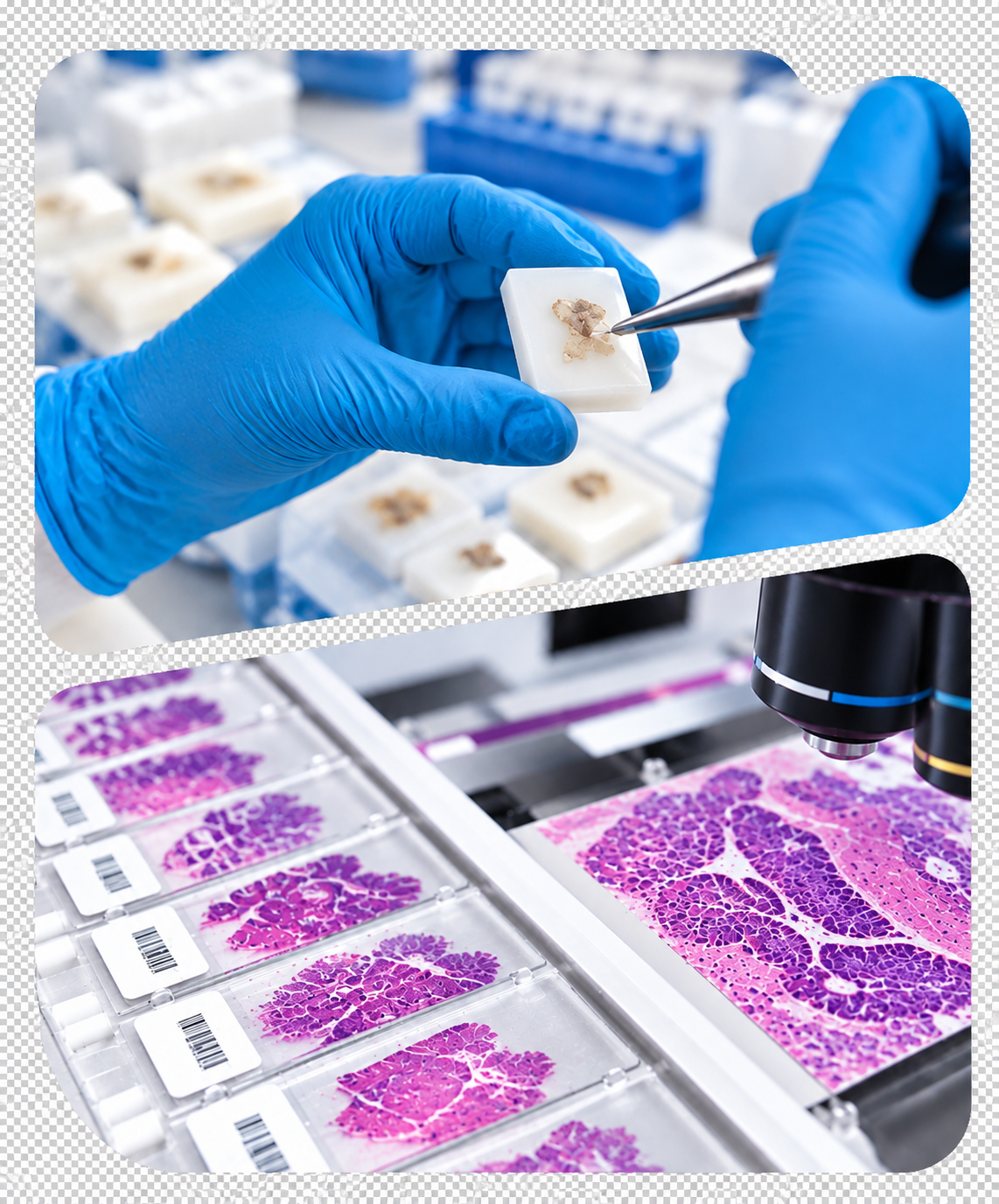
Human FFPE Tissue Samples for Research
Human FFPE Tissue Samples
FFPE tissue samples are biological specimens preserved through formalin fixation followed by paraffin embedding. This preparation method helps maintain tissue architecture and cellular morphology while allowing specimens to be stored and subsequently sectioned for research.
Human FFPE tissue is used across biomedical research, including oncology, pathology, biomarker discovery, histology, immunohistochemistry, genomics, transcriptomics, molecular profiling, and selected proteomic applications.
The research value of an FFPE specimen depends on more than its tissue type or diagnosis. Fixation conditions, tissue age, specimen composition, tumor content, storage history, and associated clinical information can all affect suitability for downstream applications.
For this reason, Cell Bio approaches human FFPE sample procurement according to the requirements of the intended research workflow.
Projects can be defined by disease indication, anatomical site, tissue type, tumor or non-tumor status, histological characteristics, clinical parameters, sample format, and downstream analytical application.
Available Human FFPE Samples
Research programs can require substantially different FFPE samples depending on the scientific question and analytical platform.
Cell Bio supports access to human FFPE biospecimens according to project-specific requirements and sample availability.
Depending on the study, specimens may include:
- patient-derived FFPE tissue;
- clinical FFPE samples;
- archival FFPE tissue;
- FFPE tumor tissue;
- FFPE non-tumor or normal tissue;
- primary tumor FFPE tissue;
- metastatic tumor FFPE tissue;
- matched tumor and normal FFPE samples;
- adjacent non-tumor FFPE tissue;
- FFPE tissue blocks;
- FFPE sections;
- unstained FFPE slides.
Relevant clinical and pathological criteria can be incorporated into the sourcing strategy where available.
When suitable existing specimens cannot be identified, custom or prospective procurement can be considered according to clinical, ethical, and project feasibility.
Patient-Derived FFPE Tissue
Patient-derived FFPE tissue samples provide access to preserved clinical material originating from human donors with characterized diseases or other relevant clinical conditions.
These specimens can be particularly useful for studies investigating disease-associated tissue morphology, biomarker expression, molecular characteristics, patient heterogeneity, and clinically relevant biological variation.
Depending on the project and available documentation, patient-derived FFPE samples may be characterized according to parameters such as diagnosis, anatomical site, histology, disease stage, grade, treatment status, and other relevant clinical information.
For oncology studies, patient-derived FFPE tumor tissue can support research into cancer biology, molecular heterogeneity, tumor progression, biomarkers, and therapeutic targets.
For non-oncology projects, disease-specific FFPE specimens can support research into pathological changes and molecular characteristics associated with a particular condition.
The required patient and sample characteristics should be defined during project planning so that FFPE tissue sourcing can be aligned with the research objective.
Clinical FFPE Samples
Clinical FFPE samples can provide researchers with access to tissue specimens associated with clinically relevant donor and disease information.
Clinical annotation can increase the value of FFPE tissue by allowing researchers to create cohorts based on specific biological or clinical characteristics rather than tissue type alone.
Depending on specimen availability and collection program, associated information may include donor demographics, diagnosis, anatomical site, histological characteristics, disease stage or grade, treatment information, collection details, and tissue-processing information.
Not every data field is available for every specimen. For studies requiring specific clinical parameters, requirements can be defined during sourcing or prospective project planning.
Clinically annotated FFPE samples can support biomarker research, molecular profiling, patient stratification, retrospective studies, translational research, and drug-development programs.
Archival FFPE Tissue Samples
One of the important research advantages of the FFPE format is access to archival FFPE tissue samples.
Archived clinical tissue can enable retrospective investigation of disease biology, biomarker expression, molecular characteristics, and patient cohorts without requiring every specimen to be newly collected.
Archival FFPE material can be particularly useful for:
- retrospective research;
- disease-specific cohort development;
- biomarker discovery and validation;
- histological analysis;
- immunohistochemistry;
- molecular profiling;
- genomic research;
- translational studies.
The suitability of archival material for a particular analytical workflow depends on factors including fixation conditions, specimen age, tissue quality, storage history, and the requirements of the analytical platform.
For molecular applications, these characteristics should be considered during sample selection rather than assuming that all archived FFPE specimens will perform identically.
Cell Bio can support the identification and sourcing of human archival FFPE samples according to project requirements and available specimen information.
FFPE Tumor Tissue Samples
FFPE tumor tissue samples are widely used in oncology research because they combine preserved tissue architecture with access to clinically relevant patient-derived cancer material.
Cell Bio supports research projects requiring human FFPE tumor tissue from different cancer indications, subject to project criteria and specimen availability.
FFPE tumor samples can support research into:
- cancer biology;
- tumor morphology;
- biomarker expression;
- molecular profiling;
- genomic alterations;
- gene expression;
- histology;
- immunohistochemistry;
- tumor heterogeneity;
- translational oncology.
Depending on the study, researchers may require FFPE cancer tissue from a particular anatomical site, histological subtype, disease stage, grade, treatment-defined population, or other clinically relevant cohort.
These characteristics can be incorporated into sample selection where the corresponding information is available.
For projects requiring narrowly defined cancer populations, custom FFPE tumor tissue procurement can provide an alternative to relying exclusively on existing inventory.
Primary Tumor FFPE Tissue
Primary tumor FFPE tissue can support studies investigating the biological and molecular characteristics of cancer at the original tumor site.
Research applications may include histological characterization, biomarker analysis, immunohistochemistry, molecular profiling, genomic research, gene-expression studies, and investigation of tumor-associated pathways.
Depending on the research objective, primary tumor FFPE samples may be selected according to cancer type, anatomical site, histology, disease stage, tumor grade, treatment status, and other available clinical characteristics.
Primary tumor specimens can also provide a useful component of comparative studies involving metastatic tumors or non-tumor tissue.
Where patient-matched specimens are required, availability should be evaluated according to the specific project criteria.
Metastatic Tumor FFPE Tissue
Metastatic tumor FFPE samples can provide important material for studying cancer progression after tumor cells have spread beyond the primary site.
These specimens may support research into metastatic biology, molecular evolution, therapeutic resistance, biomarker expression, and differences between primary and metastatic disease.
Potential applications include histology, IHC, genomic analysis, molecular profiling, biomarker research, and translational oncology.
The metastatic site should be considered when defining a research cohort because the biological characteristics of metastatic lesions can vary according to both the original cancer and the site of metastasis.
For projects requiring particular primary or metastatic tumor characteristics, Cell Bio can support project-specific FFPE tissue sourcing based on available clinical and pathological information.
Matched Tumor & Normal FFPE Samples
Matched tumor and normal FFPE samples can be especially valuable for comparative molecular and histological research.
Using tumor and non-tumor specimens associated with the same patient can help researchers investigate cancer-associated changes while reducing some of the biological variability introduced by comparisons between unrelated donors.
Matched FFPE tissue samples may support:
- comparative genomics;
- biomarker discovery;
- gene-expression research;
- molecular profiling;
- histological comparison;
- immunohistochemistry;
- validation of tumor-associated molecular targets.
Cell Bio can support projects requiring matched tumor normal FFPE samples depending on cancer indication, specimen characteristics, and availability.
For prospective projects, matched tissue requirements can be incorporated into the collection protocol where clinically and ethically feasible.
FFPE Tumor & Adjacent Normal Tissue
Adjacent normal tissue refers to non-tumorous tissue collected near a tumor. It can provide a useful comparator for many cancer research applications, but it should not automatically be treated as biologically equivalent to unaffected normal tissue.
Tissue surrounding a tumor may be influenced by inflammation, tumor-associated signaling, microenvironmental changes, or other local biological effects.
Researchers should therefore distinguish between matched normal FFPE tissue and tumor-adjacent normal FFPE tissue when designing comparative studies.
The appropriate control specimen depends on the scientific objective.
Cell Bio can support sourcing of tumor, matched normal, and adjacent non-tumor FFPE specimens according to study requirements and availability.
FFPE Blocks, Sections & Slides
Human FFPE material can be provided in different physical formats depending on the research workflow and specimen availability.
Projects may require complete FFPE tissue blocks, pre-cut tissue sections, or unstained slides for downstream histological, immunohistochemical, or molecular analysis.
Selecting the appropriate format can reduce unnecessary processing and help align the specimen with the intended laboratory workflow.
FFPE Tissue Blocks
FFPE tissue blocks contain formalin-fixed tissue embedded in paraffin and can provide researchers with flexibility to prepare sections according to their own laboratory requirements.
Human FFPE tissue blocks may be relevant to studies requiring multiple sections, repeated analyses, histological evaluation, biomarker testing, or different downstream assays from the same specimen.
For oncology research, FFPE tumor blocks can provide preserved cancer tissue for histology, IHC, molecular profiling, and other research applications.
The amount of tissue available within an individual block and its suitability for a particular workflow can vary by specimen.
Project requirements should therefore specify relevant tissue and analytical criteria during sourcing.
FFPE Tissue Sections
FFPE tissue sections provide pre-cut material prepared from an FFPE block.
Sections can support research workflows where investigators do not require an entire tissue block and can be useful for histology, immunohistochemistry, molecular assays, and biomarker studies.
The required section specifications depend on the analytical method.
For projects requiring FFPE tumor sections or sections from disease-specific tissue, sample selection can incorporate diagnosis, tissue type, histology, and other available clinical characteristics.
Specific section requirements should be established during project planning.
FFPE & Unstained Slides
FFPE slides provide tissue sections mounted on slides for downstream research applications.
Unstained FFPE tissue slides can be particularly useful when researchers intend to perform their own staining, immunohistochemistry, in situ hybridization, or other slide-based assays.
Depending on project requirements and specimen availability, Cell Bio can support sourcing of unstained FFPE slides from tumor or other human tissue.
Slide specifications should be defined according to the intended analytical workflow.
Human FFPE Tissue Procurement & Sourcing
Reliable FFPE tissue procurement requires more than identifying a specimen with the correct diagnosis.
The scientific value of FFPE tissue can depend on disease characteristics, anatomical site, tissue composition, fixation history, sample format, clinical annotation, and suitability for the intended analytical platform.
Cell Bio provides human FFPE tissue sourcing for pharmaceutical, biotechnology, diagnostic, CRO, and academic research programs.
Project requirements may include:
- disease indication;
- tissue type and anatomical site;
- tumor or non-tumor tissue;
- primary or metastatic tumor status;
- histological characteristics;
- disease stage or grade, where available;
- treatment status, where relevant and available;
- FFPE block, section, or slide format;
- matched tissue requirements;
- clinical and pathological annotation;
- downstream research application.
Existing specimens can be evaluated against these requirements.
When appropriate material is not available, custom sourcing or prospective tissue collection followed by fixation and paraffin embedding can be considered.
This project-specific approach enables FFPE sample procurement to be aligned with the scientific requirements of the study rather than relying solely on generic inventory availability.
Custom & Prospective FFPE Tissue Collection
Some research programs require tissue from narrowly defined patient populations or need specific collection and processing conditions that cannot be met through existing archival material.
For these studies, Cell Bio can support custom FFPE tissue collection and prospective procurement programs.
In a prospective project, tissue is collected according to defined clinical and research criteria and subsequently processed using the required fixation and paraffin-embedding workflow.
Project specifications may include disease indication, anatomical site, donor characteristics, histology, tumor or normal tissue status, clinical criteria, fixation requirements, sample format, and associated data.
Prospective collection can be particularly useful for disease-specific cohort development, biomarker research, translational studies, and pharmaceutical research where consistency of collection and processing is important.
All human tissue collection remains subject to appropriate informed consent, ethical requirements, clinical feasibility, and study-specific procedures.
FFPE Sample Processing & Quality Control
Pre-analytical conditions can have a significant impact on the research value of FFPE material.
Formalin fixation preserves tissue morphology but can also alter nucleic acids and proteins. Fixation duration, tissue size, processing conditions, paraffin embedding, storage history, and specimen age may influence downstream analytical performance.
For this reason, FFPE sample quality should be considered in relation to the intended application.
A specimen appropriate for routine histological evaluation may not necessarily meet the requirements of every DNA-, RNA-, or protein-based workflow.
Cell Bio supports standardized biospecimen handling, documentation, and traceability within its quality management framework.
For custom projects, relevant collection and processing specifications can be established before procurement begins.
This allows sample requirements to be aligned with the intended research application and helps researchers account for important pre-analytical variables.
Clinical Data & Sample Characterization
Clinical and pathological annotation can substantially increase the value of human FFPE biospecimens.
Depending on the specimen and project, associated information may include donor demographics, diagnosis, anatomical site, histological characteristics, disease stage, grade, primary or metastatic status, treatment information, collection details, and tissue-processing information.
Available data vary between specimens and collection programs.
For prospective studies, required clinical-data fields can be defined during project planning when clinically and ethically feasible.
This approach can help researchers develop FFPE cohorts based on biologically or clinically relevant criteria and can be particularly useful for biomarker research, molecular profiling, patient stratification, oncology research, and translational studies.
FFPE Samples for Histology & Immunohistochemistry
Formalin-fixed, paraffin-embedded tissue is widely used for histological evaluation because the preservation process maintains tissue architecture and cellular morphology.
FFPE tissue histology can support investigation of tissue structure, pathological changes, tumor morphology, cellular organization, and relationships between different tissue components.
For oncology research, histological assessment can also provide important context for molecular and biomarker findings by allowing researchers to evaluate tumor characteristics within preserved tissue architecture.
FFPE samples can be particularly useful for projects combining morphological evaluation with biomarker or molecular analysis.
FFPE Samples for Immunohistochemistry
FFPE immunohistochemistry (IHC) enables researchers to investigate the presence, distribution, and localization of specific proteins within preserved tissue.
Human FFPE tissue can support IHC-based research involving disease biomarkers, tumor markers, immune markers, therapeutic targets, and other proteins of interest.
FFPE tumor tissue is frequently used for biomarker evaluation in oncology because researchers can examine protein expression while retaining information about tissue morphology and spatial organization.
Depending on the research objective, FFPE samples for IHC may include tumor tissue, matched normal tissue, adjacent non-tumor tissue, or disease-specific non-oncology specimens.
Unstained FFPE slides can provide a convenient format for laboratories performing their own staining and analytical workflows.
The suitability of individual samples for specific antibodies or staining protocols depends on specimen characteristics, fixation conditions, and the requirements of the analytical method.
FFPE Samples for Immunofluorescence
FFPE tissue may also support selected immunofluorescence workflows.
These approaches can enable visualization of specific proteins or cellular markers within preserved tissue and may support research into biomarker expression, tissue composition, immune-cell localization, and spatial relationships.
As with IHC, analytical performance can depend on fixation history, antigen characteristics, tissue quality, and assay methodology.
FFPE Samples for Molecular & Biomarker Research
FFPE specimens are increasingly used beyond conventional histology.
Advances in molecular methods have enabled preserved tissue to support research involving DNA, RNA, gene expression, sequencing, biomarkers, and selected protein-based analyses.
This makes FFPE samples for molecular research particularly valuable when researchers need access to clinically characterized or archival tissue cohorts.
However, formalin fixation can alter or fragment biological molecules. Sample suitability should therefore be evaluated according to the intended analytical platform rather than assuming that every FFPE specimen is equally appropriate for every molecular application.
Cell Bio supports the sourcing of human FFPE tissue based on disease characteristics, tissue type, sample format, available clinical annotation, and intended research application.
FFPE Biomarker Research
FFPE samples for biomarker research can support both discovery and validation studies across oncology and other disease areas.
Preserved tissue provides an opportunity to investigate molecular markers directly within clinically relevant human specimens and, in many cases, to connect analytical findings with histological or clinical characteristics.
Biomarker research may involve proteins, DNA alterations, RNA expression, immune markers, histological features, or combinations of molecular parameters.
For oncology studies, FFPE tumor samples may be compared across cancer types, disease stages, molecular subgroups, or treatment-defined populations.
Matched tumor and normal FFPE tissue can also support comparative biomarker research by allowing investigators to evaluate differences between malignant and non-malignant specimens associated with the same patient.
Archival cohorts may be particularly useful for biomarker validation when researchers require larger collections of clinically characterized tissue.
FFPE Molecular Profiling
FFPE molecular profiling can provide information about the biological characteristics of preserved human tissue and help researchers investigate disease-associated molecular patterns.
Depending on specimen quality and analytical methodology, molecular profiling may involve genomic alterations, gene-expression patterns, biomarkers, proteins, or integrated molecular features.
In oncology research, FFPE molecular profiling can support tumor characterization, biomarker development, patient stratification, investigation of therapeutic targets, and translational research.
The appropriate sample format and quality requirements should be determined according to the analytical platform.
For projects requiring specific disease cohorts or clinical characteristics, Cell Bio can support custom FFPE sourcing according to defined study criteria.
FFPE Samples for DNA Research
DNA can be isolated from appropriately processed FFPE tissue samples for a range of molecular research applications.
Potential applications include targeted genomic analysis, mutation research, molecular profiling, biomarker studies, PCR-based assays, and sequencing.
Formalin fixation can affect DNA integrity through fragmentation and chemical modification. Consequently, DNA quality in FFPE samples can vary according to fixation conditions, tissue age, storage history, tissue characteristics, and extraction methodology.
Researchers planning DNA-based studies should therefore define sample requirements according to their downstream assay.
FFPE tumor tissue can be particularly useful for studying cancer-associated genomic alterations. Matched tumor and normal samples may support comparative analysis and investigation of tumor-specific molecular changes.
Cell Bio supplies FFPE biospecimens for these research applications. Suitability for a specific DNA extraction or analytical workflow should be evaluated according to the characteristics of the specimen and the requirements of the selected method.
FFPE Samples for RNA & Gene Expression Research
RNA analysis of FFPE tissue can provide access to gene-expression information from clinically characterized and archival specimens.
FFPE samples for RNA research may support targeted expression studies, selected transcriptomic workflows, RNA sequencing, and other applications depending on sample quality and analytical methodology.
Formalin fixation can cause RNA fragmentation and chemical modification. RNA quality can also be influenced by fixation conditions, tissue age, storage, processing, and extraction methodology.
For this reason, researchers should consider the requirements of their analytical platform when selecting FFPE tissue for RNA analysis.
FFPE tumor samples may support investigation of cancer-associated gene expression, molecular subtypes, tumor biology, immune responses, and potential biomarkers.
Matched tumor-normal specimens can provide comparative material for identifying disease-associated expression differences.
For projects requiring particular disease characteristics or tissue types, Cell Bio can support FFPE sample sourcing according to study-specific requirements.
FFPE Samples for Sequencing & NGS
Modern sequencing technologies have expanded the potential use of FFPE specimens in molecular research.
Appropriately selected FFPE samples for sequencing may support DNA sequencing, targeted sequencing, next-generation sequencing (NGS), and selected RNA-sequencing workflows.
FFPE tumor sequencing can help researchers investigate genomic alterations associated with cancer, characterize molecular heterogeneity, identify potential biomarkers, and study disease-associated molecular pathways.
Potential applications include:
- targeted DNA sequencing;
- next-generation sequencing;
- mutation analysis;
- tumor molecular profiling;
- selected RNA sequencing workflows;
- biomarker research;
- comparative tumor-normal analysis.
The suitability of FFPE material for sequencing depends on sample quality, fixation conditions, nucleic acid integrity, tissue composition, tumor content, and sequencing methodology.
Researchers should therefore establish analytical requirements before sample procurement.
For sequencing studies requiring defined tumor indications, patient characteristics, or matched tissue, Cell Bio can support project-specific sourcing of human FFPE samples for NGS and molecular research.
FFPE DNA Sequencing
FFPE DNA sequencing can support investigation of genomic changes within preserved tissue.
In oncology research, these studies may focus on tumor-associated mutations, genomic alterations, molecular subtypes, and biomarkers.
Matched tumor-normal FFPE samples can provide useful comparative material where the study requires evaluation of tumor-associated molecular differences.
Because formalin fixation can affect DNA integrity, analytical suitability should be assessed according to the sequencing platform and study design.
FFPE RNA Sequencing
FFPE RNA sequencing can provide access to transcriptional information from preserved clinical specimens where sample quality and analytical methodology are appropriate.
This can be valuable for retrospective research involving archival tissue cohorts that may not be available in fresh or frozen formats.
Potential applications include gene-expression profiling, biomarker research, molecular classification, and investigation of disease-associated transcriptional patterns.
As RNA in FFPE tissue may be fragmented, study design and analytical methods should be selected accordingly.
PCR, In Situ Hybridization & FISH
FFPE tissue can support a range of targeted molecular and tissue-based analytical approaches.
PCR from FFPE samples may be used for selected DNA- or RNA-based research applications when nucleic acid quality and assay design are appropriate.
In situ hybridization can provide information about molecular targets while preserving spatial context within the tissue.
RNA in situ hybridization may support investigation of gene expression and transcript localization directly within FFPE sections.
FISH using FFPE tissue can support research involving selected chromosomal or genomic alterations while maintaining tissue morphology.
These applications demonstrate the value of FFPE specimens as a bridge between molecular analysis and tissue-level biological context.
Suitability remains dependent on tissue processing, fixation, specimen quality, and assay requirements.
FFPE Samples for Proteomics
FFPE tissue can also support selected protein-analysis and proteomic research workflows.
FFPE samples for proteomics may provide access to preserved disease-specific tissue when fresh or frozen specimens are unavailable or when researchers need to investigate archival clinical cohorts.
Potential applications include protein analysis, biomarker research, molecular characterization, and comparative studies involving tumor and non-tumor tissue.
Formalin fixation introduces protein cross-links and other modifications, meaning analytical performance depends on sample characteristics and the selected proteomic methodology.
For this reason, FFPE tissue should be evaluated according to the intended protein-analysis workflow.
FFPE tumor tissue can be particularly relevant for oncology proteomics when researchers need clinically characterized material from specific cancer types or patient populations.
Human FFPE Samples for Research Applications
The combination of preserved morphology, clinical relevance, and access to archival material makes human FFPE samples for research useful across a broad range of biomedical applications.
Cell Bio supports FFPE tissue procurement for pharmaceutical, biotechnology, diagnostic, CRO, and academic research programs.
Depending on project requirements, FFPE specimens can support cancer research, genomics, transcriptomics, proteomics, biomarker discovery, drug development, translational research, and preclinical studies.
Cancer & Oncology Research
FFPE samples for cancer research provide access to patient-derived tumor material while preserving tissue morphology and enabling retrospective analysis.
FFPE tumor tissue can support research into tumor biology, histological characteristics, biomarker expression, molecular alterations, tumor heterogeneity, disease progression, and therapeutic targets.
Primary and metastatic FFPE specimens can support studies of cancer progression, while matched tumor-normal samples can help identify disease-associated molecular differences.
Disease-specific FFPE cohorts may also support biomarker validation and molecular stratification across defined cancer populations.
Genomic Research
FFPE samples for genomic research can support studies investigating DNA alterations associated with disease.
In oncology, genomic analysis may help characterize tumor mutations, molecular subtypes, genomic heterogeneity, and potential biomarkers.
Matched tumor-normal specimens can provide valuable comparative material for genomic studies.
Because FFPE processing can influence DNA quality, sample selection should be aligned with the analytical requirements of the genomic platform.
Transcriptomics
FFPE samples for transcriptomics can provide access to gene-expression information from preserved clinical tissue.
This can be especially useful in retrospective studies where archival specimens are linked to relevant pathological or clinical characteristics.
Transcriptomic research may investigate disease-associated expression patterns, molecular subtypes, biomarkers, immune responses, and biological pathways.
The suitability of individual FFPE samples depends on RNA quality, tissue characteristics, fixation history, and analytical methodology.
Proteomics
FFPE samples for proteomics can support selected protein-based studies involving preserved human tissue.
Research may investigate protein expression, disease-associated molecular pathways, biomarkers, or differences between tissue cohorts.
For oncology studies, FFPE tumor and matched normal specimens can provide comparative material for investigating cancer-associated protein patterns.
Biomarker Discovery
FFPE samples for biomarker discovery can provide access to clinically relevant tissue cohorts for identifying and evaluating disease-associated molecular features.
Researchers may investigate biomarkers at the DNA, RNA, protein, histological, or cellular level.
FFPE tissue is particularly useful when biomarker research requires retrospective access to patient-derived material or correlation with pathological characteristics.
After initial discovery, larger or independently sourced FFPE cohorts may support subsequent biomarker validation.
Drug Discovery
FFPE samples for drug discovery can support research into therapeutic targets, disease pathways, biomarkers, patient stratification, and molecular characteristics associated with treatment response.
Human FFPE tissue provides an opportunity to evaluate drug-development hypotheses in clinically relevant patient-derived specimens.
For oncology programs, disease-specific tumor cohorts may support target research and evaluation of biomarker prevalence across patient populations.
Custom FFPE procurement can help researchers obtain tissue from indications or clinical subgroups relevant to a particular development program.
Translational Research
FFPE samples for translational research can help connect experimental findings with human disease.
Researchers can use preserved clinical tissue to determine whether biomarkers, molecular alterations, or biological pathways identified in experimental models are also present in patient-derived specimens.
Clinically annotated FFPE cohorts can be particularly valuable for translational studies involving disease classification, biomarker validation, patient stratification, and therapeutic development.
Preclinical Research
FFPE tissue for preclinical research can support molecular, histological, biomarker, and assay-development workflows.
Although FFPE specimens are not appropriate for applications requiring viable cells, they can provide valuable human biological context for preclinical programs focused on molecular targets, tissue expression, disease pathology, or biomarker development.
The required tissue type and specimen format should be selected according to the intended research application.
Pharmaceutical Research
FFPE tissue can support pharmaceutical research programs requiring clinically relevant human specimens from defined disease populations.
FFPE samples for pharmaceutical research may be used in biomarker development, target validation, molecular profiling, patient stratification, assay development, and translational research.
Custom sourcing can enable projects to focus on specific disease indications, histological subtypes, clinical characteristics, or tissue formats.
For programs requiring highly defined cohorts, prospective procurement may also be considered where clinically and ethically feasible.
FFPE Biobank & Archived Tissue Samples
Access to existing FFPE biobank samples and archived clinical tissue can accelerate research programs when suitable specimens are already available.
Archived FFPE collections may provide access to disease-specific tissue from clinically characterized donors and can be particularly useful for retrospective studies, biomarker validation, histological research, and molecular profiling.
However, existing tissue banks may not contain the precise combination of disease indication, tissue type, patient characteristics, sample format, and clinical annotation required for every study.
Cell Bio therefore supports a flexible sourcing approach that may include identification of existing FFPE biospecimens as well as custom procurement.
When appropriate archived specimens cannot be identified, prospective tissue collection followed by fixation and paraffin embedding can be considered according to project requirements and clinical feasibility.
This combination of existing and project-specific sourcing can help researchers develop FFPE cohorts aligned with their scientific objectives.
Why Choose Cell Bio as Your Human FFPE Sample Supplier?
Selecting the right human FFPE sample supplier is important when research depends on specific tissue characteristics, clinical annotation, processing requirements, and consistent documentation.
Cell Bio supports pharmaceutical, biotechnology, diagnostic, CRO, and academic research programs requiring human FFPE tissue samples, including tumor and non-tumor specimens, archival material, matched tissue, FFPE blocks, sections, and slides.
Our approach combines human biospecimen expertise with project-specific sourcing, quality management, ethical procurement, clinical collection capabilities, and scientific support.
Rather than limiting projects to a fixed catalog, Cell Bio can support both existing sample sourcing and custom procurement according to defined research criteria.
Human Biospecimen Expertise
FFPE tissue procurement requires an understanding of both biological material and downstream research requirements.
The suitability of an FFPE specimen can depend on tissue type, disease indication, histology, fixation conditions, sample format, clinical annotation, and the intended analytical method.
Cell Bio works with researchers to translate these scientific requirements into practical biospecimen specifications.
Projects may involve individual samples, disease-specific cohorts, tumor and normal comparisons, archival FFPE material, or prospectively collected tissue processed according to defined project requirements.
This approach helps ensure that sample selection is driven by the research objective rather than specimen availability alone.
Oncology & Disease-Specific Procurement
Oncology represents an important application area for FFPE tissue samples, but research requirements can vary considerably between cancer studies.
A project may require a specific tumor type, anatomical site, histological subtype, primary or metastatic disease, stage or grade, matched normal tissue, or other clinically relevant characteristics.
Cell Bio supports disease-specific FFPE procurement according to these criteria and available clinical and pathological information.
For oncology programs, this may include FFPE tumor tissue, primary and metastatic specimens, matched tumor-normal samples, and adjacent non-tumor tissue.
Disease-specific procurement can also support non-oncology research requiring clinically characterized human tissue from defined patient populations.
Quality Management
Quality and traceability are essential components of human biospecimen research.
Cell Bio operates within an ISO 9001:2015-certified quality management system, supporting standardized processes for biospecimen sourcing, handling, documentation, and project management.
For FFPE research, attention to pre-analytical variables is particularly important because fixation, tissue processing, storage, and specimen age can influence downstream analytical performance.
Where relevant information is available, these factors can be considered during sample selection and project planning.
For prospective procurement, project-specific processing requirements can be defined before collection begins.
Ethical Human Biospecimen Procurement
Cell Bio supports ethically sourced human biospecimens obtained with appropriate informed donor consent and research-use procedures.
Ethical considerations are integrated into human tissue procurement and prospective collection projects.
For custom studies, collection requirements are evaluated together with clinical feasibility, informed consent, ethical requirements, and study-specific procedures.
This approach enables researchers to work with human FFPE specimens sourced within an appropriate ethical and clinical framework.
Clinical Collection Network
Access to clinical collection capabilities is particularly important when existing FFPE specimens do not meet the requirements of a study.
Cell Bio works through clinical partnerships to support disease-specific and prospective biospecimen procurement.
Prospective projects can be designed around defined donor, disease, tissue, and processing criteria where clinically and ethically feasible.
After tissue collection, specimens can be processed according to the required preservation workflow, including formalin fixation and paraffin embedding when appropriate to the project.
This enables development of custom FFPE cohorts for studies that cannot be adequately supported through archival material alone.
Custom FFPE Procurement
Research programs frequently require more specific criteria than can be addressed through standard inventory.
Cell Bio supports custom FFPE procurement based on project-defined requirements.
Specifications may include:
- disease indication;
- anatomical site;
- tissue type;
- tumor or non-tumor status;
- primary or metastatic disease;
- histology;
- stage or grade, where available;
- donor characteristics;
- treatment-related criteria, where available;
- matched tissue requirements;
- fixation and processing requirements;
- FFPE block, section, or slide format;
- clinical and pathological annotation.
The feasibility of each project depends on the requested specimen characteristics, clinical availability, ethical requirements, and collection parameters.
Clinical Annotation & Traceability
Research value often depends on the information associated with a biospecimen.
Depending on the sample and collection program, FFPE specimens may be accompanied by relevant clinical, pathological, and processing information.
This may include diagnosis, anatomical site, histology, stage, grade, primary or metastatic status, donor demographics, treatment information, collection details, and other project-relevant parameters where available.
Traceability and documentation help researchers evaluate whether samples are appropriate for their intended study and support the development of clearly defined research cohorts.
Specific data requirements should be established during project planning because the available information can vary between specimens and sourcing programs.
Scientific & Project Support
Complex biospecimen projects often require coordination between scientific requirements and practical collection possibilities.
Cell Bio supports researchers during project planning to define sample specifications, identify appropriate specimen formats, evaluate sourcing strategies, and determine whether existing or prospective procurement is more suitable.
For FFPE projects, this may include consideration of tissue type, preservation format, clinical criteria, analytical application, and required sample configuration.
Scientific and project support can be particularly valuable for multi-parameter studies involving disease-specific cohorts, matched samples, or downstream molecular applications.
Human FFPE Tissue Sourcing Services
Cell Bio provides FFPE sourcing services for research programs requiring human tissue with defined biological, clinical, and technical characteristics.
A sourcing project can begin with a detailed specification describing the required specimens and intended research use.
Existing material can then be evaluated against the requested criteria.
If appropriate FFPE samples are not available, alternative sourcing strategies may include custom procurement or prospective tissue collection.
This model can support projects ranging from individual disease-specific specimens to more complex cohorts involving multiple sample criteria.
For oncology studies, sourcing may include primary tumor tissue, metastatic tumor tissue, normal tissue, adjacent non-tumor tissue, and matched tumor-normal specimens.
For molecular or biomarker research, the intended analytical application can also be considered when defining specimen requirements.
Existing FFPE Samples & Prospective Procurement
Researchers may obtain FFPE material through two complementary sourcing pathways: existing archived specimens and prospective procurement.
Existing specimens can be advantageous when suitable material has already been collected and processed. This approach may provide access to archival disease-specific tissue and can be especially useful for retrospective research.
However, existing collections are inherently limited by the clinical criteria, processing conditions, and data captured at the time of collection.
Prospective procurement provides greater opportunity to define requirements before tissue collection begins.
Researchers may specify disease criteria, tissue type, donor characteristics, processing requirements, sample format, and required clinical information, subject to clinical and ethical feasibility.
The most appropriate approach depends on the study design, required cohort, analytical workflow, and project timeline.
Supporting Biomarker & Drug Development Programs
Human FFPE specimens can provide an important link between molecular research and clinically relevant patient tissue.
In biomarker programs, FFPE samples may support discovery, verification, and validation of tissue-associated molecular markers.
Researchers can investigate whether candidate biomarkers are present in specific diseases, tumor types, histological subgroups, or patient populations.
In drug-development research, FFPE tissue can support target characterization, biomarker prevalence studies, patient stratification strategies, and evaluation of disease-associated molecular pathways.
Custom sourcing can help build cohorts aligned with a particular therapeutic area or development program.
For oncology research, access to primary tumors, metastatic specimens, and matched normal tissue can further support comparative investigation of disease biology and potential therapeutic targets.
Frequently Asked Questions
What are FFPE tissue samples?
FFPE tissue samples are specimens preserved through formalin fixation and paraffin embedding. Formalin fixation helps preserve tissue structure, while paraffin embedding allows the tissue to be stored and sectioned for subsequent analysis.
FFPE tissue is widely used in histology, immunohistochemistry, biomarker research, molecular profiling, genomics, transcriptomics, and other biomedical research applications.
What are FFPE samples used for in research?
FFPE samples can support histology, immunohistochemistry, biomarker discovery and validation, molecular profiling, DNA and RNA research, selected sequencing workflows, in situ hybridization, proteomics, oncology research, translational research, and drug-development studies.
The suitability of an individual FFPE specimen depends on tissue characteristics, fixation and processing history, sample quality, and the requirements of the downstream assay.
Does Cell Bio supply human FFPE tissue samples?
Yes. Cell Bio supplies human FFPE tissue samples for research and supports project-specific sourcing and custom procurement.
Sample availability depends on tissue type, disease indication, requested clinical characteristics, specimen format, and other study requirements.
What types of FFPE samples are available?
Depending on project requirements and availability, FFPE material may include patient-derived clinical tissue, tumor tissue, non-tumor tissue, archival specimens, primary and metastatic tumor samples, matched tumor-normal tissue, adjacent non-tumor tissue, FFPE blocks, sections, and unstained slides.
Researchers can contact Cell Bio with specific tissue, disease, and sample-format requirements.
Does Cell Bio provide FFPE tumor tissue samples?
Cell Bio supports sourcing of human FFPE tumor tissue samples for oncology research.
Projects may involve different tumor indications, primary or metastatic disease, histological characteristics, and clinically defined patient groups depending on availability.
Custom procurement can also be considered for projects requiring specific tumor characteristics.
Are normal FFPE tissue samples available?
Normal or non-tumor FFPE tissue may be available depending on tissue type, project criteria, and sourcing feasibility.
Researchers should specify whether they require general non-tumor tissue, patient-matched normal tissue, or tumor-adjacent normal tissue because these specimen categories are not biologically equivalent.
Can I request matched tumor and normal FFPE samples?
Matched tumor and normal FFPE samples can be sourced for selected research projects depending on availability.
These specimens can be particularly valuable for comparative molecular, genomic, histological, and biomarker research.
Matched specimen requirements can also be incorporated into prospective collection projects where clinically and ethically feasible.
What is the difference between an FFPE block, section and slide?
An FFPE block contains tissue that has been formalin-fixed and embedded in paraffin. Sections are thin slices cut from an FFPE block. FFPE slides contain tissue sections mounted onto microscope slides.
The most appropriate format depends on the intended research workflow and whether the laboratory needs to perform its own sectioning, staining, molecular analysis, or other downstream procedures.
Are unstained FFPE slides available?
Unstained FFPE slides may be sourced depending on the specimen and project requirements.
They can support applications such as histology, immunohistochemistry, in situ hybridization, and other slide-based research workflows.
Specific slide and section requirements should be defined during project planning.
Can FFPE samples be used for immunohistochemistry?
Yes. FFPE tissue is widely used for immunohistochemistry because it preserves tissue architecture and enables researchers to evaluate protein expression and localization within the tissue.
Assay performance can depend on fixation conditions, antigen characteristics, tissue quality, and the antibody or staining protocol used.
Can FFPE tissue be used for DNA extraction?
DNA can be extracted from FFPE tissue for many research applications.
However, formalin fixation can cause DNA fragmentation and chemical modification. DNA quality can therefore vary depending on fixation conditions, tissue age, storage history, specimen characteristics, and extraction methodology.
Researchers should select samples according to the requirements of their downstream analytical workflow.
Can FFPE samples be used for RNA analysis?
FFPE tissue can support selected RNA and gene-expression research applications.
Because formalin fixation can affect RNA integrity, suitability depends on sample processing, specimen age, tissue characteristics, extraction methodology, and the analytical platform.
Can FFPE samples be used for sequencing and NGS?
Appropriately selected FFPE samples can support sequencing and next-generation sequencing workflows, including selected DNA- and RNA-based applications.
Suitability depends on nucleic acid quality, tissue composition, fixation conditions, tumor content where relevant, and the requirements of the sequencing platform.
Cell Bio supplies FFPE biospecimens for sequencing research but does not imply that every specimen is suitable for every sequencing workflow.
Can FFPE tissue be used for proteomics?
FFPE tissue can support selected proteomic and protein-analysis workflows.
Formalin fixation modifies proteins and creates cross-links, so suitability depends on the specimen and analytical methodology.
Researchers planning proteomic studies should define their technical requirements when requesting FFPE samples.
Does Cell Bio provide archival FFPE samples?
Cell Bio can support sourcing of archival FFPE samples according to disease, tissue, clinical, and project criteria.
The availability and characteristics of archived specimens vary between projects and tissue types.
Where suitable existing specimens cannot be identified, prospective procurement may provide an alternative sourcing strategy.
Can Cell Bio source FFPE samples for a specific disease?
Yes. Disease-specific criteria can be incorporated into FFPE sourcing projects.
Depending on the study, additional requirements may include anatomical site, histology, stage, grade, tumor status, donor characteristics, treatment information, or other available clinical parameters.
Availability depends on the specificity of the requested cohort and sourcing feasibility.
Does Cell Bio offer custom FFPE tissue procurement?
Cell Bio supports custom FFPE tissue procurement and sourcing for research projects requiring specific specimen characteristics.
Projects can be designed around disease indication, tissue type, anatomical site, clinical criteria, sample format, matched tissue requirements, and relevant processing parameters.
Prospective collection can also be considered where existing samples do not meet the study requirements and collection is clinically and ethically feasible.
What clinical data are available with FFPE samples?
Available clinical data depend on the individual specimen and collection program.
Information may include donor demographics, diagnosis, anatomical site, histology, stage, grade, primary or metastatic status, treatment information, collection details, and processing information where available.
Researchers requiring particular data fields should include them in the project specification.
Where can researchers buy human FFPE tissue samples?
Researchers seeking to purchase human FFPE tissue samples for research can contact Cell Bio with their required tissue type, disease indication, sample format, clinical criteria, and intended research application.
Cell Bio can evaluate existing specimen availability and, when suitable samples are not available, discuss custom sourcing or prospective procurement options.
Request Human FFPE Tissue Samples
Cell Bio supports research programs requiring human FFPE samples, including tumor and non-tumor tissue, patient-derived and archival specimens, matched tissue, FFPE blocks, sections, and unstained slides.
Whether your project requires existing specimens or a custom collection strategy, our team can help define sample specifications and evaluate an appropriate procurement approach.
Contact Cell Bio with your required disease indication, tissue type, specimen format, clinical criteria, number of samples, and research application to discuss project feasibility and availability.
Request Human FFPE Tissue Samples
Request a Quote
Discuss Custom FFPE Procurement
Contact Cell Bio