
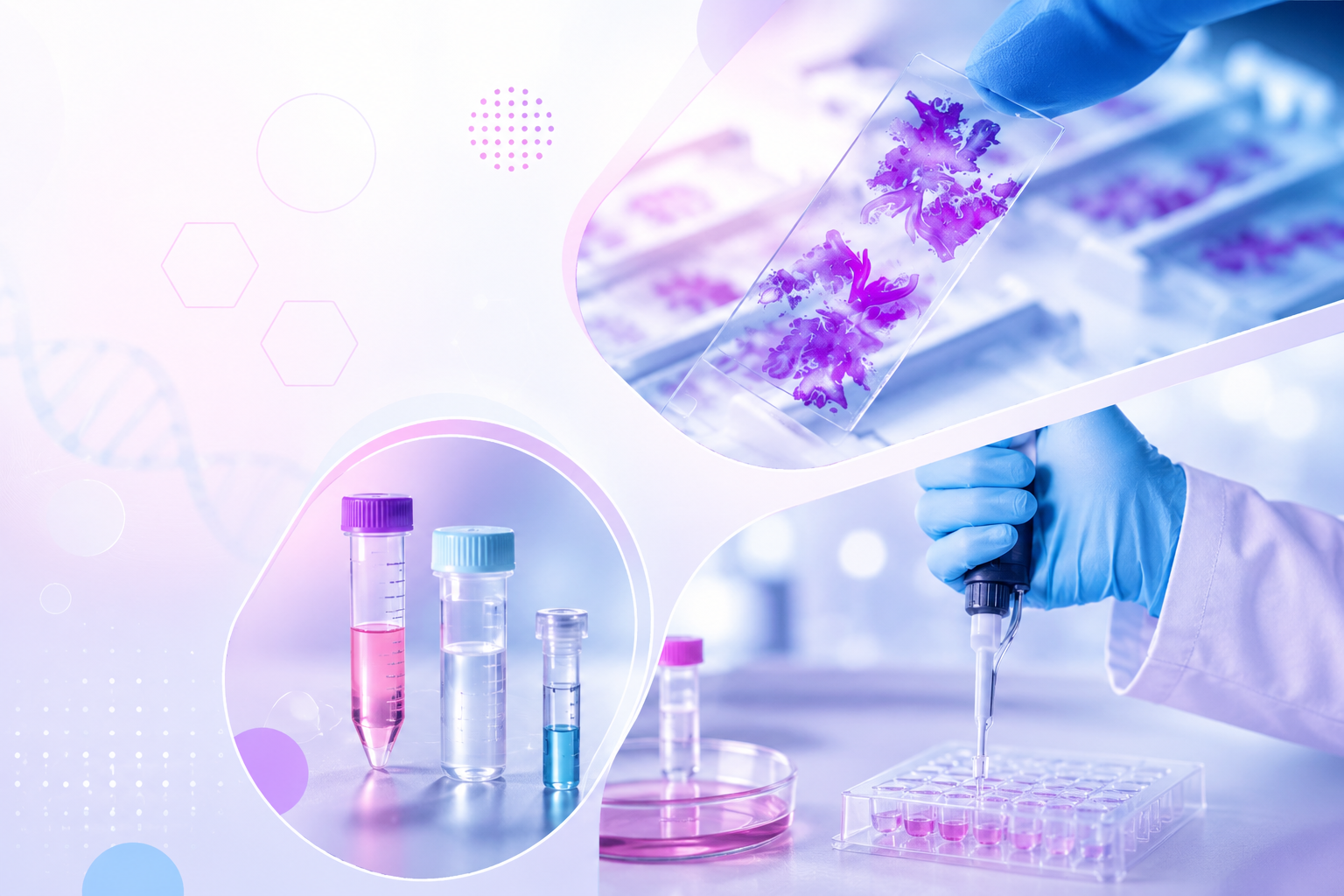
Human biospecimens play a critical role in modern healthcare, biomedical research, and drug development. They support scientific discovery across oncology, immunology, regenerative medicine, translational research, and precision medicine by providing researchers with access to real human-derived materials that reflect disease biology and patient diversity.
The terms biospecimens, biological samples, and biosamples are often used interchangeably. Although slight differences may exist depending on scientific context, they generally describe biological materials collected from human donors for clinical use or research applications.
Today, human biospecimens are essential for diagnostics, biomarker discovery, therapeutic development, cell-based studies, and personalized medicine approaches.
At Cell Bio, we support global biomedical research through human biospecimen collection, procurement, and cell-based research services, delivering ethically sourced materials for oncology, translational research, and pre-clinical drug development.
What Are Biospecimens?
A biospecimen is any biological material collected from a human subject and used for clinical or research purposes. Human biospecimens may originate from living donors or deceased individuals and include tissues, blood products, cells, and other biological materials.
Human biospecimens are widely used in:
- clinical diagnostics
- disease monitoring
- oncology research
- biomarker discovery
- translational medicine
- drug development
- cell therapy studies
- regenerative medicine
Examples of human biospecimens include:
- blood
- plasma
- serum
- tumor tissue
- fresh frozen tissue
- FFPE samples
- PBMC
- fibroblasts
- saliva
- urine
- cerebrospinal fluid (CSF)
- DNA and RNA
- immune cells
These materials provide researchers with valuable insight into human biology and disease mechanisms.
Biospecimens vs Biological Samples vs Biosamples: Is There a Difference?
Researchers often use the terms biospecimens, biological samples, biosamples, and biological specimens interchangeably. In most research settings, these terms refer to the same concept — biological material collected for medical, diagnostic, or scientific purposes.
| Term | Meaning | Typical Usage |
| Biospecimens | Human-derived biological materials | Research, biobanking, translational medicine |
| Biological samples | General term for collected biological materials | Clinical and laboratory settings |
| Biosamples | Simplified term commonly used in research | Biomedical research |
| Biological specimens | Formal scientific terminology | Clinical and pathology applications |
Although terminology may vary between institutions, the practical meaning remains largely the same.
Types of Human Biospecimens
Human biospecimens include a broad range of biological materials used across biomedical and translational research.
Blood Biospecimens
Blood remains one of the most commonly used biological samples in research and clinical practice.
Common blood biospecimens include:
- whole blood
- plasma
- serum
- PBMC (peripheral blood mononuclear cells)
- immune cell populations
- circulating biomarkers
Blood biospecimens support:
- immunology research
- oncology studies
- biomarker discovery
- cell therapy development
- infectious disease studies
PBMC and immune cell populations are particularly important in immunotherapy and translational medicine applications.
Tissue Samples
Human tissue samples provide direct insight into disease biology and tissue-specific mechanisms.
Common tissue biospecimens include:
- fresh tissue samples
- fresh frozen tissue
- FFPE tissue blocks
- tumor tissue samples
- matched tumor and normal tissues
- dissociated tumor samples
Tumor biospecimens are widely used in oncology research, biomarker discovery, and drug response studies.
Cells and Cell-Based Materials
Human cells represent another important category of biospecimens.
Examples include:
- primary human cells
- fibroblasts
- stem cells
- mesenchymal stem cells
- hematopoietic stem cells
- immune cells
- TILs (tumor infiltrating lymphocytes)
- cell cultures
Cell-based products support regenerative medicine, cell therapy, and translational research programs.
Other Biological Samples
Researchers also use additional biological samples depending on project requirements.
These include:
- saliva
- urine
- stool
- cerebrospinal fluid (CSF)
- swabs
- bone marrow aspirates
- DNA
- RNA
- protein lysates
Each biospecimen type provides unique biological information relevant to disease mechanisms and therapeutic development.
How Biospecimens Are Used in Research
Human biospecimens are the foundation of modern biomedical research.
Oncology Research
Cancer research relies heavily on human tumor biospecimens and patient-derived materials.
Researchers use biospecimens to:
- investigate tumor biology
- analyze tumor microenvironment interactions
- discover biomarkers
- evaluate treatment response
- develop precision medicine strategies
Tumor tissue, PBMC, TILs, plasma, and matched tumor-normal samples are commonly used in oncology programs.
Translational Research
Translational research aims to move discoveries from laboratory studies into clinical applications.
Human biospecimens enable researchers to:
- validate biomarkers
- develop diagnostics
- optimize therapeutic approaches
- investigate patient variability
Clinical biospecimens for research are essential in bridging laboratory findings with patient outcomes.
Drug Development
Pharmaceutical and biotechnology companies use human biospecimens throughout the drug development process.
Applications include:
- target identification
- efficacy testing
- toxicity studies
- biomarker validation
- patient stratification
High-quality biospecimens improve translational relevance and increase confidence in research results.
Precision Medicine
Precision medicine requires biologically relevant materials that reflect patient diversity.
Patient-derived biospecimens allow researchers to evaluate:
- treatment response variability
- disease heterogeneity
- individualized therapeutic strategies
Human biospecimens continue to drive the transition toward personalized healthcare.
Biospecimen Collection Methods
Biospecimen collection strategies generally fall into two categories: prospective and retrospective collection.
| Collection Type | Description | Applications |
| Prospective collection | Samples collected specifically for a study protocol | Clinical trials, biomarker studies |
| Retrospective collection | Existing archived samples | Translational research, validation studies |
Prospective Biospecimen Collection
Prospective collection involves obtaining samples according to predefined project requirements.
Advantages:
- customized inclusion criteria
- protocol-driven collection
- specific sample processing workflows
- prospective clinical annotation
Prospective biospecimen collection is often used in oncology and translational research studies.
Retrospective Biospecimen Collection
Retrospective collection uses existing clinical materials and archived samples.
Advantages:
- faster project initiation
- access to rare diseases
- historical patient cohorts
- lower collection timelines
Both approaches play important roles in biomedical research.
Why High Quality Biospecimens Matter
The quality of human biospecimens directly affects research reliability and reproducibility.
Poor sample quality may lead to:
- altered molecular profiles
- reduced cell viability
- compromised biomarker data
- unreliable experimental outcomes
High quality human biospecimens require:
Ethical Sourcing
Samples must be collected with appropriate consent and ethical oversight.
Annotation and Clinical Data
Well-annotated biospecimens provide valuable patient and disease information.
Traceability
Complete documentation ensures transparency across the collection process.
Logistics and Quality Control
Sample processing, storage, transportation, and handling strongly influence biospecimen integrity.
At Cell Bio, all biospecimens are collected through standardized SOPs with strict quality control, full traceability, and GCP-compliant processes.
Examples of Biospecimens Used in Biomedical Research
| Biospecimen | Research Application |
| PBMC | Immunology, immunotherapy |
| Tumor tissue | Oncology, biomarker discovery |
| Fibroblasts | Regenerative medicine, fibrosis research |
| Stem cells | Cell therapy, regenerative medicine |
| Plasma | Biomarker studies |
| TILs | Immuno-oncology |
| CSF | Neurology research |
| Primary cells | Translational medicine |
| Serum | Diagnostic development |
Each biospecimen contributes unique biological information supporting scientific innovation.
How Cell Bio Supports Biospecimen Research
Cell Bio is a global partner in human biospecimen collection, biospecimen procurement, and cell-based research services.
We collaborate with clinical partners and research institutions to provide:
- human biospecimens for research
- oncology biospecimens
- tumor tissue samples
- fresh frozen and FFPE tissues
- primary human cells
- PBMC and immune cell populations
- fibroblasts from multiple tissue sources
- stem cells
- plasma and serum samples
- patient-derived materials
Our direct clinical network across Ukraine enables rapid study initiation, reliable supply, and scalable recruitment capabilities.
All biospecimens are sourced ethically and managed according to GCP and international quality standards.
Conclusion
Biospecimens, biological samples, and biosamples are fundamental components of modern biomedical research and healthcare innovation.
From blood and tumor tissue to primary cells and immune populations, human biospecimens support oncology studies, translational medicine, drug development, and precision medicine programs worldwide.
As research becomes increasingly patient-centered, access to high quality human biospecimens and ethically sourced biological materials will remain essential for advancing scientific discovery and improving healthcare outcomes.
Frequently Asked Questions
What are biospecimens?
Biospecimens are biological materials collected from humans for clinical or research purposes.
What are examples of biological samples?
Examples include blood, plasma, serum, tumor tissue, PBMC, saliva, urine, DNA, RNA, and primary cells.
What are human biospecimens used for?
Human biospecimens support diagnostics, oncology research, biomarker discovery, drug development, and translational medicine.
What is biospecimen collection?
Biospecimen collection refers to obtaining biological materials from donors for clinical or research applications.
What is the difference between biospecimens and biosamples?
In most research settings, these terms are interchangeable and describe biological materials used in research.
Why are biospecimens important?
Biospecimens enable researchers to study disease mechanisms, evaluate therapies, and develop personalized treatments.
What clinical samples are commonly used in research?
Blood, plasma, serum, tumor tissue, PBMC, CSF, and primary cells are commonly used.
Why does biospecimen quality matter?
High quality biospecimens improve data reliability, reproducibility, and translational value in biomedical research.


